Designs that would have once earned you a scolding from your mother for tearing your clothes are now being consumed as the trendiest fashion. Holes are deliberately punched into pristine knits, new clothes are faded to look as if worn for years, and the edges of fabrics are intentionally frayed. Seams are even exposed on the outside, or the garments themselves are made asymmetrical.
Just a few years ago, such details were largely considered signs of "poorly maintained clothing" or "defects." In fashion, perfection was often equated with how cleanly and precisely something was made. Finishes had to be neat, silhouettes balanced, and new products, naturally, had to look brand new.
However, the atmosphere has shifted considerably in recent years.
Instead, overly perfect items can feel bland, while details that appear slightly damaged or signs of handmade craftsmanship have begun to be consumed with greater allure. The key is not mere roughness, but 'intention.'
'Details that look like mistakes but are actually calculated'
Clothes that are imperfect, yet gain more character because of it.
Fashion is now finding stronger individuality and sensibility within such imperfections.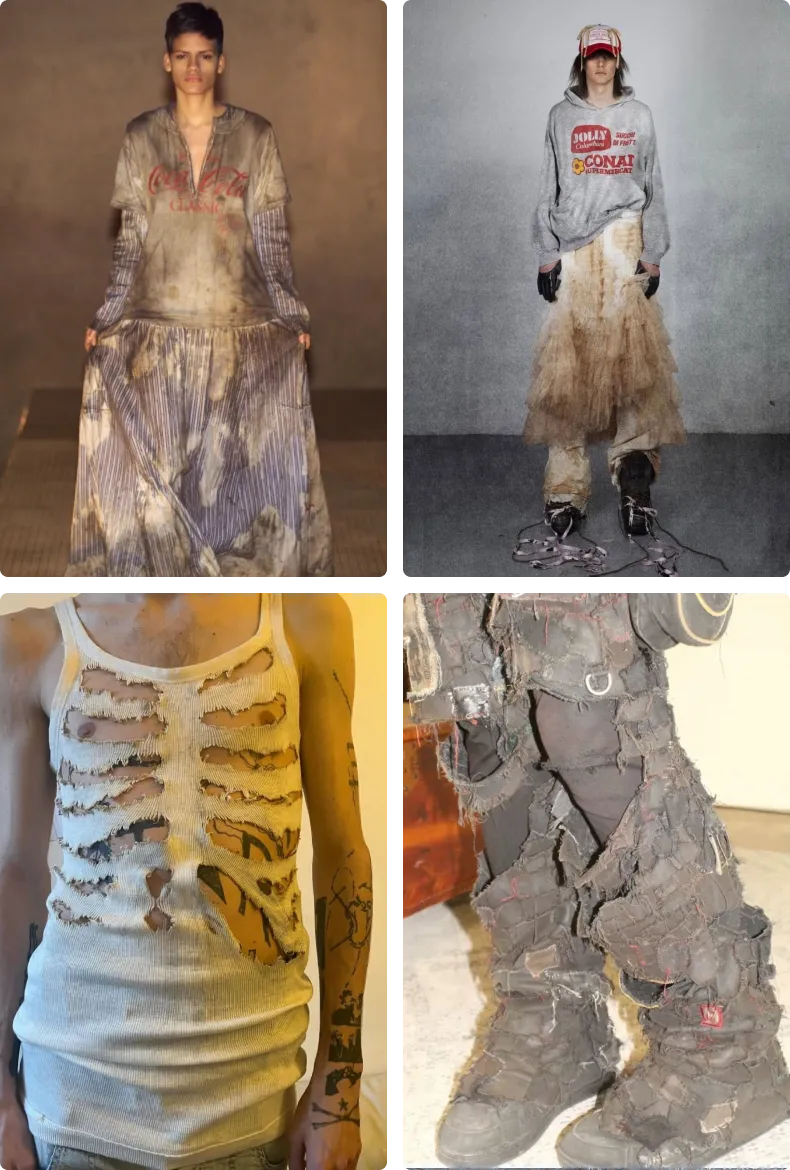
If you think about it, the styles people favor today are quite different from before.
Rather than perfectly tailored and overly neat styles, there's a preference for a naturally creased, lived-in atmosphere. A mood that feels imbued with personal style and life experience, rather than a brand-new look.
The vintage craze is essentially part of the same trend.
People are now responding more to the atmosphere and traces a garment carries, rather than simply to "expensive clothes." And one of the brands that has most strongly driven this trend is, of course, BALENCIAGA.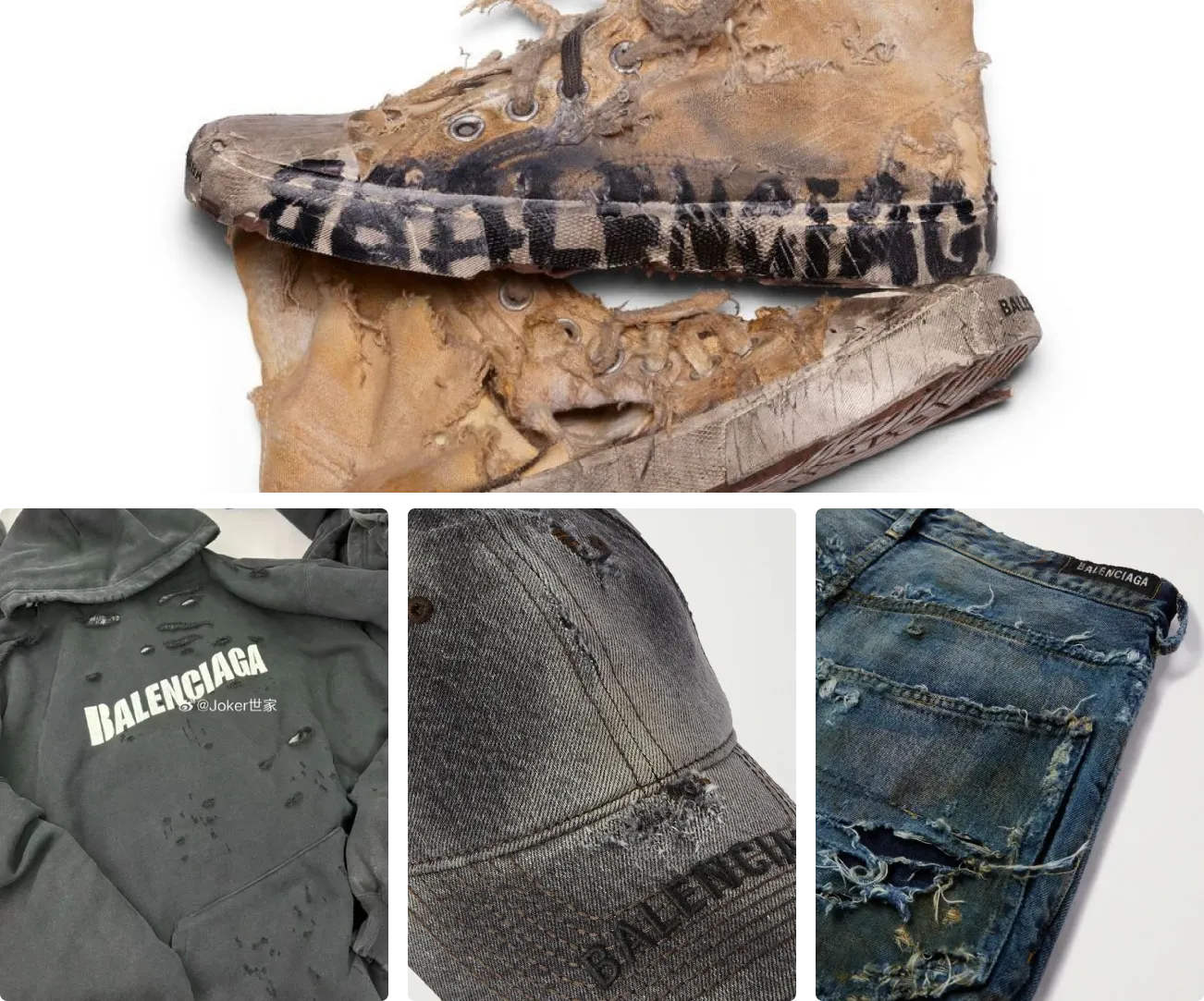 Looking at the collections BALENCIAGA has presented in recent years, there's a common thread: they meticulously erase any sense of being brand new. Hoodies are intentionally faded as if worn for years, denim is excessively ripped or torn, and sneakers emphasize a worn-out texture. What's interesting is that this goes beyond a mere "vintage feel." BALENCIAGA elevates the state of being damaged itself into a luxury mood.
This trend has become even more pronounced under Demna's creative direction. Instead of the clean, polished image traditional luxury brands projected, they have actively incorporated realistic wear, fatigue, and street aesthetics. BALENCIAGA pieces often appear slightly tired, worn, and rough. Yet, it's precisely this atmosphere that leaves a stronger impression.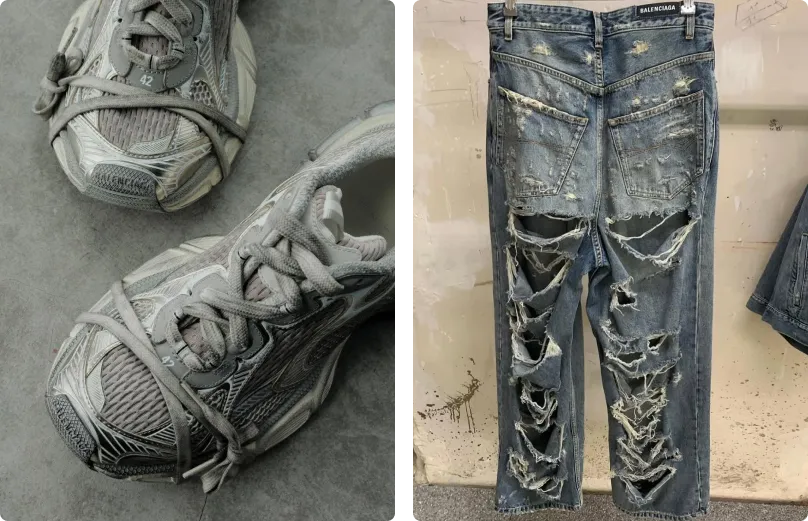 It's so much so that when trying on new items in-store, one might ask, "Is this really a new product?" Upon closer inspection, the washing and distressing details are incredibly meticulous.
And intriguingly, this trend is no longer confined to luxury houses.
Recently, functional sportswear and running wear have also actively embraced this aesthetic. A prime example is the brand SATISFY.
Running wear has traditionally evolved around functionality and efficiency. The focus has been on being lightweight, sleek, and reducing air resistance. SATISFY, however, has taken a completely different direction.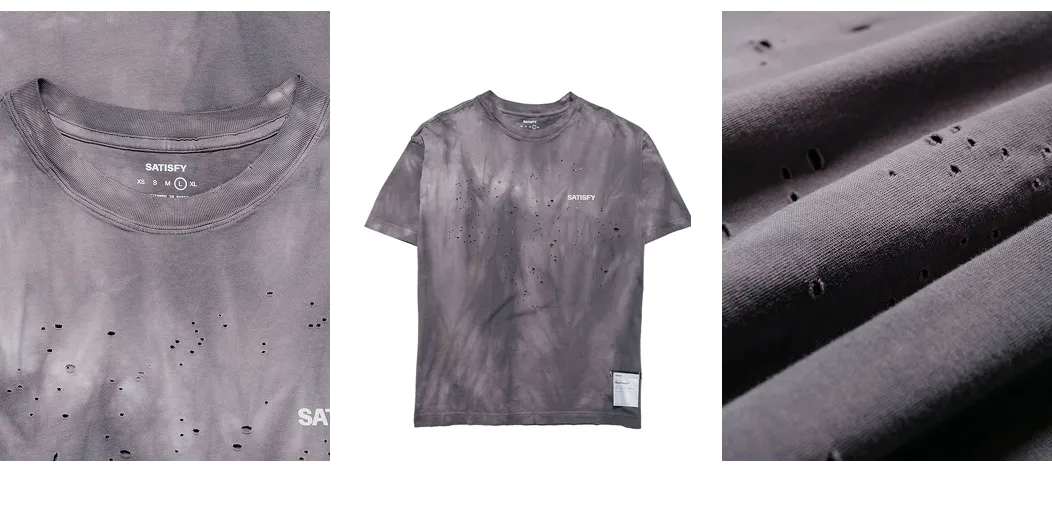 A notable example is the MOTH EATEN detail: T-shirts with numerous holes that genuinely look as if they've been eaten by moths. At first glance, one might question if it's a real product, but it's actually a design that aims for both breathability and a distinct mood.
What's interesting is that SATISFY doesn't use these details merely as ornamentation. The brand approaches running not just as exercise, but as a culture. Consequently, their products, while functional running wear, possess a blend of rockstar swagger and punk sensibility. It's as if they naturally embrace the process of sweating, running, creasing, and wearing down.
This aligns with the current atmosphere in the running scene, where not just performance but also style and mood are becoming increasingly important. The trend of 'intentional imperfection,' which has spread to running wear, becomes even bolder when it enters the streetwear scene. The brand Thug Club is a prime example.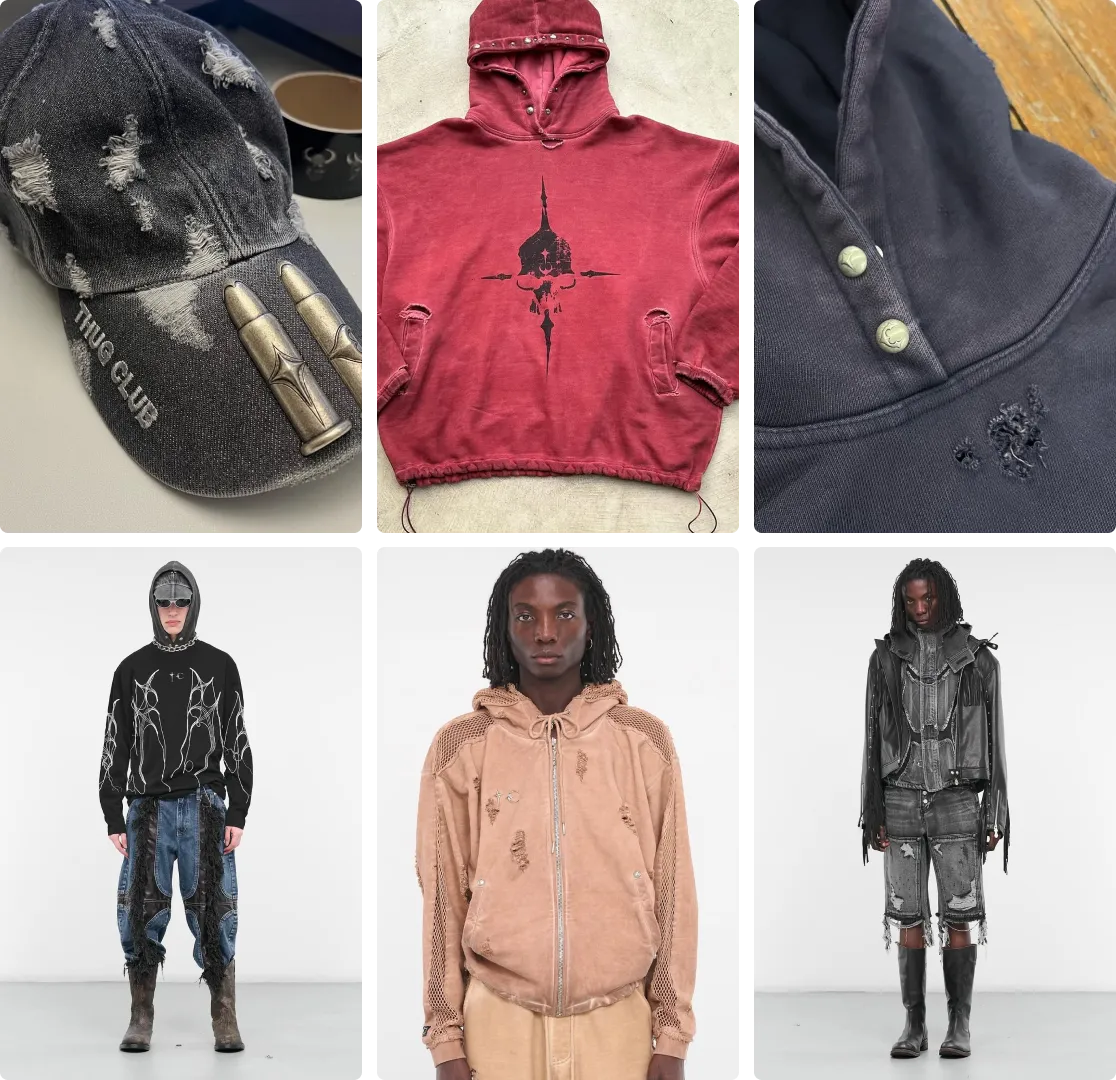 The designs from the domestic brand Thug Club are also highly intriguing. They diverge from the typical "clean streetwear brand" mold. Fabrics are intentionally given a rough finish, metal embellishments are used liberally, and washes are extremely intense.
Examining the products closely reveals deliberate fraying at the edges and a very active use of worn-in textures. They employ a groundbreaking approach by bringing elements that would normally be concealed to the forefront. These elements combine to give the garments a raw, untamed feel. And it's precisely this rugged energy that resonates with audiences.
The brand's recognition has rapidly increased, particularly through its swift adoption within the international hip-hop scene and among artists. In fact, this bold aesthetic is one of the reasons Korean brands are currently gaining attention in the global fashion landscape. They push a distinct character and strong impression, rather than opting for overly safe and polished directions. Thug Club exemplifies this trend at its extreme.
However, it's fascinating that the expression of imperfection isn't solely limited to this rough and intense approach.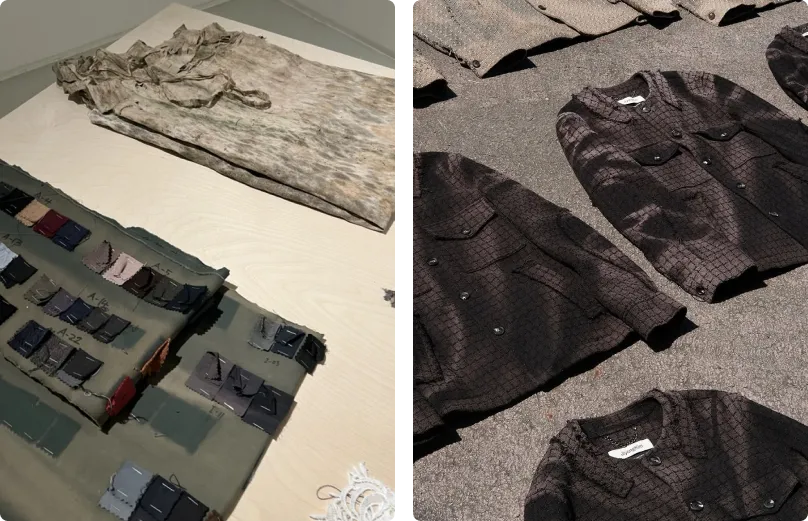 Another domestic brand, JiyongKim, interprets imperfection differently. A prime example is the Sun Bleached technique, where fabrics are exposed to sunlight for extended periods, causing natural fading. Crucially, the outcome is not perfectly controlled. Even within the same product, the results vary slightly depending on sunlight, time, and environmental factors. It utilizes the traces of nature's intervention as a design element, rather than producing uniformly manufactured items.
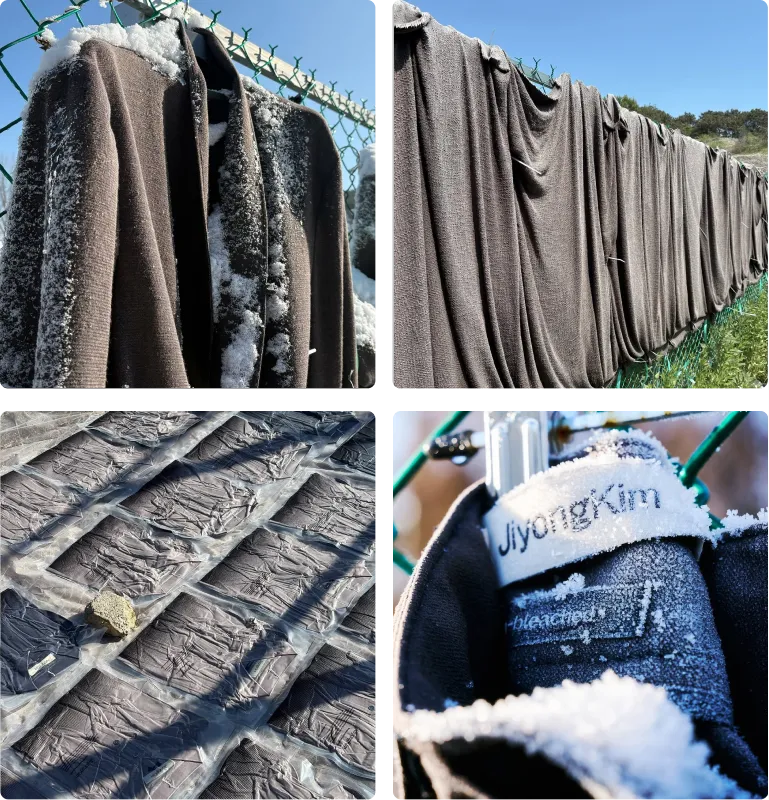 Consequently, JiyongKim's pieces possess a very natural and enigmatic aura. It evokes a mood of genuine aging over time, rather than an artificially created vintage feel. This natural imbalance has garnered a strong response in the global fashion scene. The recent increase in appearances in international select shops and on celebrities is directly linked to this aspect.
People today are more drawn to clothes that bear the 'unique traces' of the garment, rather than perfectly manufactured items. And there are brands that connect this trend directly to the fashion system itself.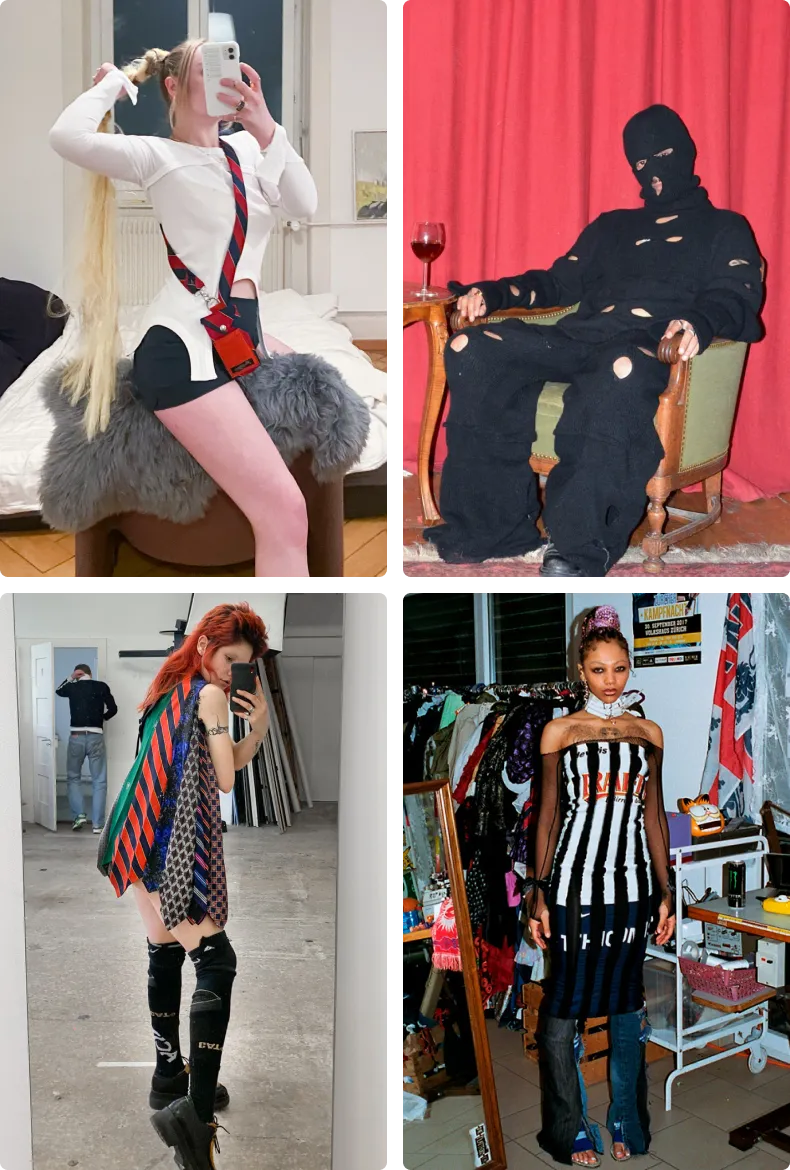 PROTOTYPES works with sample garments, deadstock, and unfinished products left over from the fashion industry. As a result, their collections don't have the perfectly polished feel of typical luxury brands. Fabric seams might be misaligned, traces of other garments may remain, or even details that appear to be from mid-production are openly displayed. However, this isn't solely for a rough aesthetic.
They fundamentally re-examine the concept of a "perfect new garment." The fashion industry constantly produces new clothes, but in the process, vast amounts of samples and inventory are discarded. PROTOTYPES, in turn, uses the process and its traces as part of the design.
Therefore, the brand's clothing feels less like a finished product and more like a process. And it's this unfinished quality that appears novel in the current era.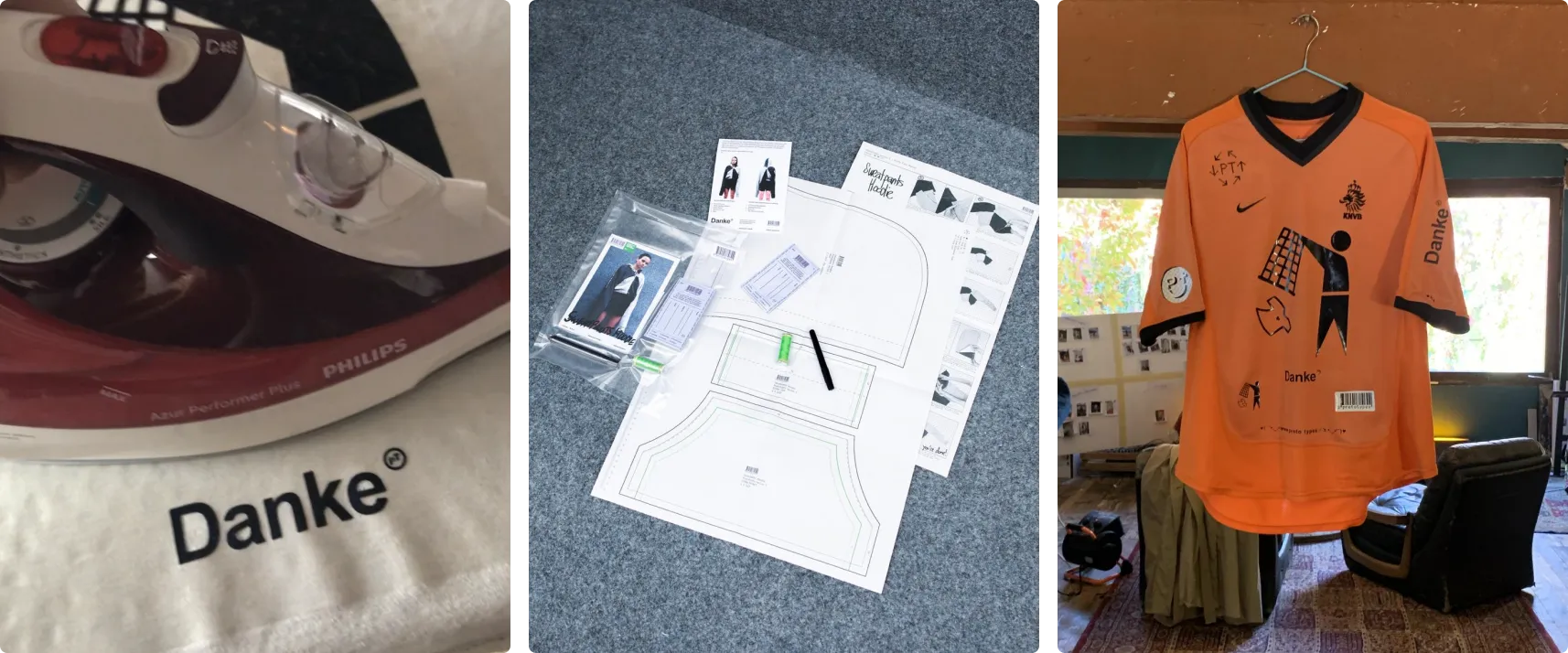 Interestingly, people today are sensing something more than just design in these garments. While pristine condition was once paramount, there's now a greater preference for clothes that feel like they already embody personal style. This is why vintage, washed, and distressed aesthetics continue to gain momentum.
And perhaps this trend isn't solely about fashion. People today are more drawn to things that are somewhat human and natural, rather than overly perfect and refined. The fact that intentionally unpolished photos and content with rough textures garner more engagement on social media is also indicative of a similar trend.
Ultimately, fashion today prioritizes the strong atmosphere and attitude a garment conveys over perfect polish. Even if it's slightly worn, slightly rough, or slightly unbalanced, if it possesses a distinct character and mood, people respond powerfully to it.
Perhaps the current prevalence of distress and deconstruction is not merely a trend of "damaged clothes," but rather a new taste born from an era fatigued by perfection.
Fashion, however, is always evolving. While frayed and faded details currently define the trendiest movements, in time, entirely different moods and styles will undoubtedly shape new eras.
The question of where fashion will move after distress, and anticipation for the next wave, is precisely why this is so compelling.
Image sources: Editorialist, Reversible, Hypebeast, GATA Magazine, PROTOTYPES Official Website, @luxuriousbymm, @myfacewheno_o, @aroundtheshoess, @lildenimjean, @thug_club, @h_lorenzo, @jiyongkim_official, @pittiuomo_official Official Instagram