There is fashion that begins not with new clothes, but with what already exists.
Not perfectly refined fabrics, but materials that show signs of use, or objects that have served their purpose. Today's fashion is moving in a direction that reveals these traces rather than erasing them.
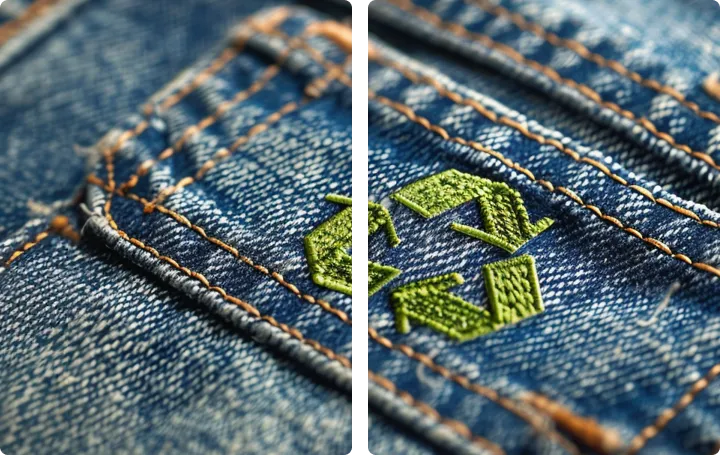
At the heart of this movement is Upcycling.
Upcycling: More Than Just Recycling
Upcycling is often confused with recycling, but their approaches are entirely different.
It's less about reusing discarded materials and more about creating new structures based on those materials.
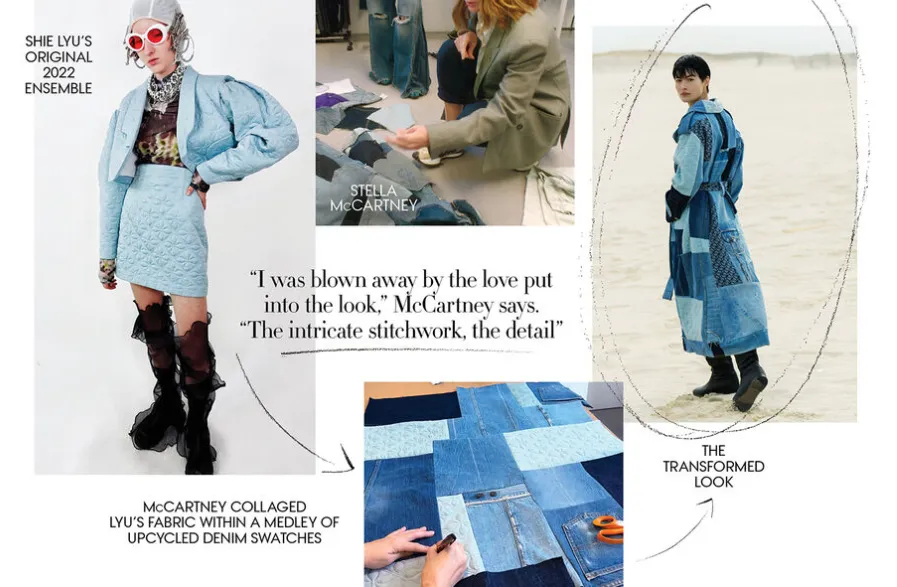
The process involves deconstructing existing garments, reassembling them, and reconstructing them into entirely new forms.
In this process, upcycling functions as a design methodology beyond an environmental choice.
The Moment Upcycling Becomes Fashion
Upcycling is no longer just an 'environmental choice'.
In fact, in contemporary fashion, the asymmetry created by unrefined materials and disparate traces functions as a style in itself.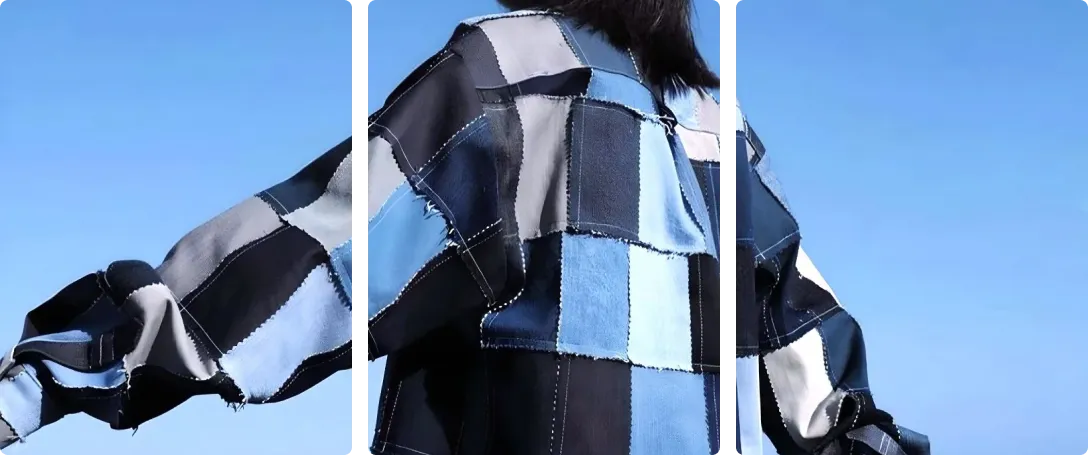
👉 The inability to create the same result with the same material.
Its very structure is what makes upcycling so compelling today.
Therefore, contemporary upcycling goes beyond simply reusing materials; it's closer to an attitude expressed in unique ways by each brand.
Under the umbrella term 'upcycling,' some brands alter structures, others elevate it through design, and still others re-examine the system itself.
We will now explore these differences through the lens of each brand.
Upcycling Perfected in Diverse Ways
(1) Patagonia
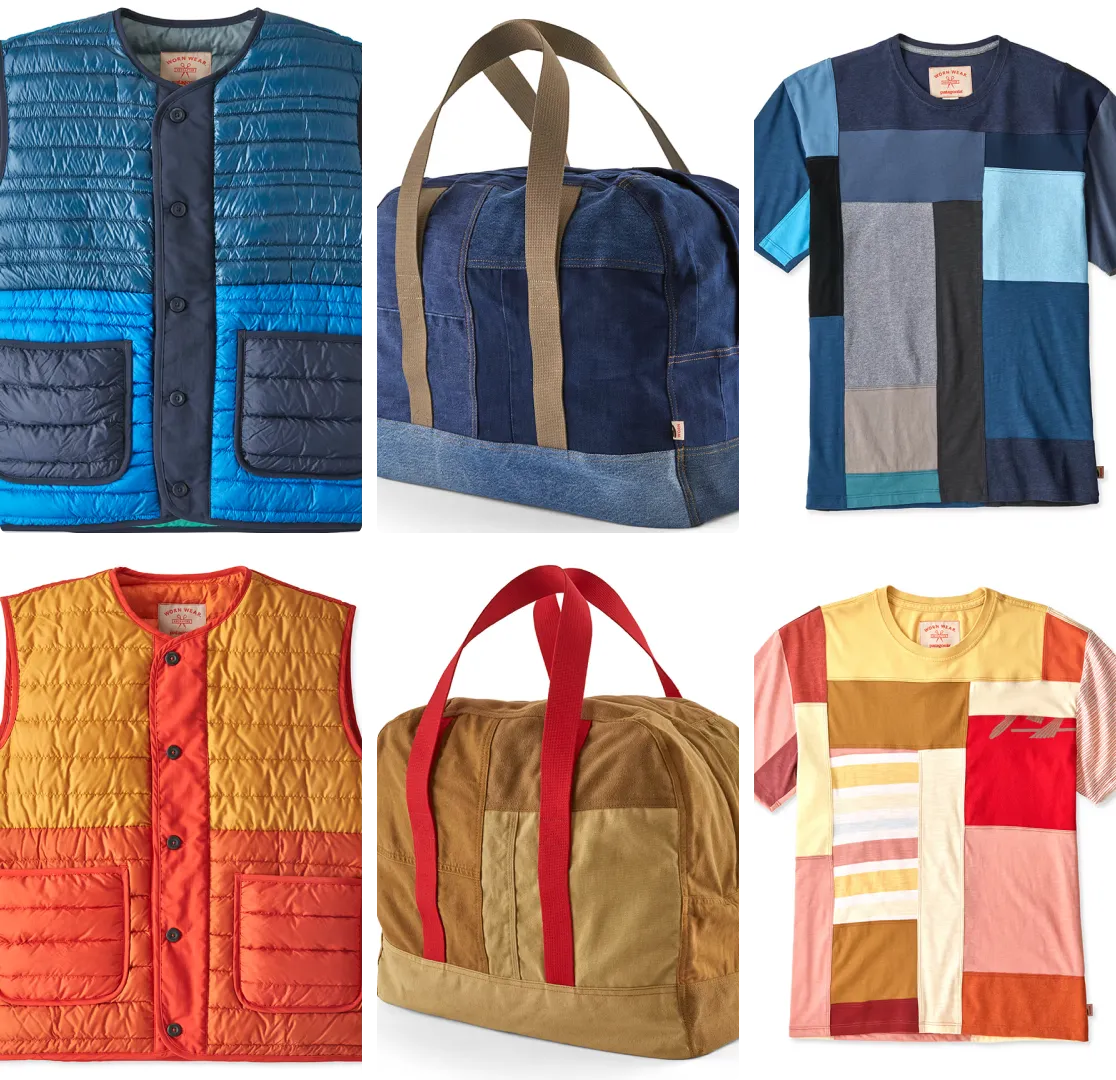 Patagonia is a prime example of a brand that has turned upcycling into a 'system'.
Beyond utilizing recycled materials, they focus on extending the lifespan of garments through systems that repair and redistribute used products.
For them, upcycling is not about creating new products, but rather a structure for the continuous circulation of existing garments.
(2) Marine Serre
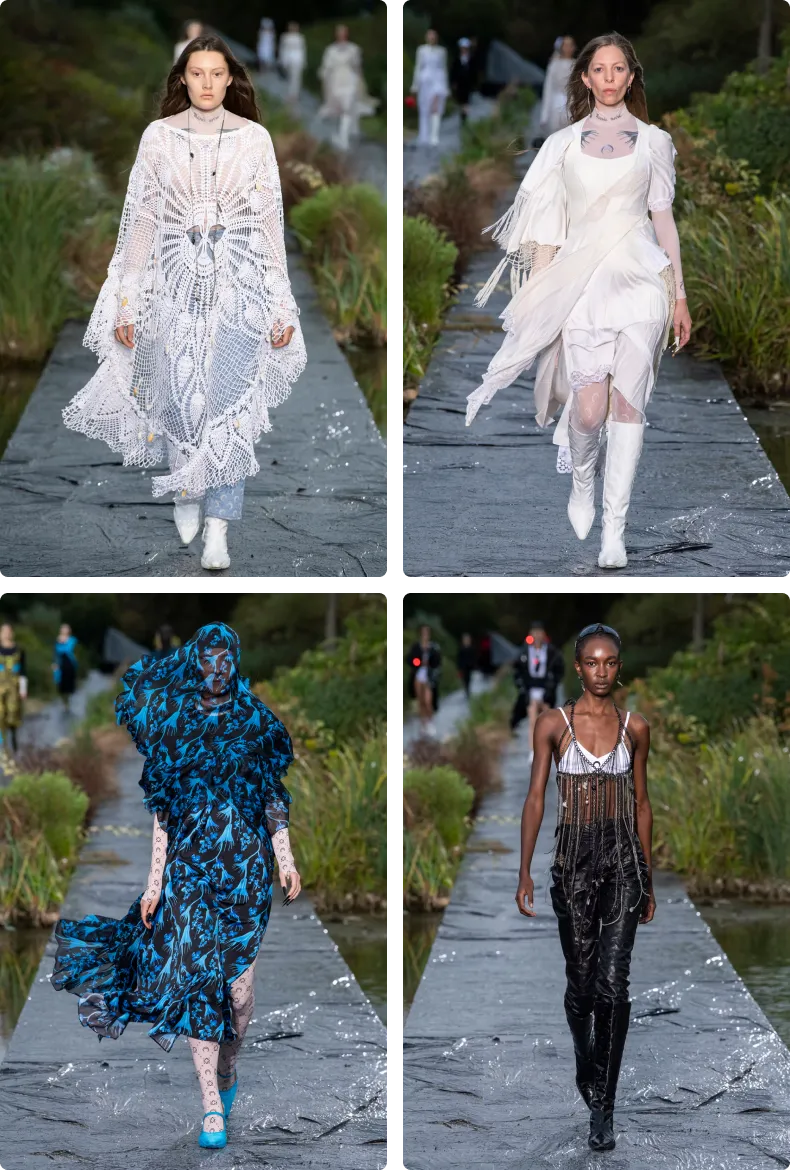
Marine Serre has elevated upcycling into a distinct design language.
Notably, their SS20 collection showcased a patchwork of deconstructed scarves, towels, and vintage fabrics, where the material differences and traces were not concealed but celebrated.
This inherent asymmetry is not something to be corrected but rather becomes a central design element.
(3) PROTOTYPES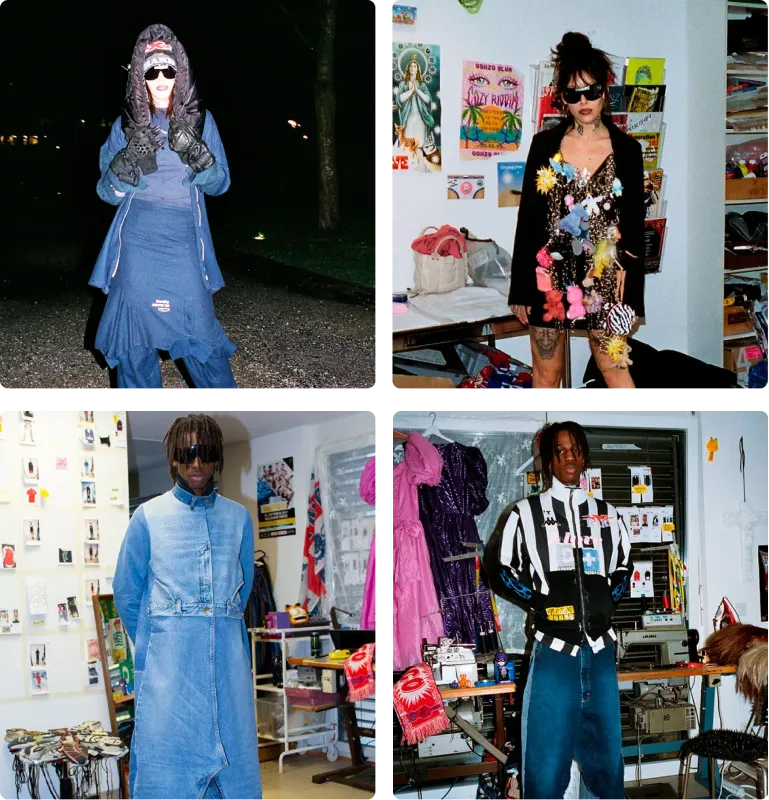
PROTOTYPES works with the surplus generated within the fashion industry, specifically sample garments and leftover stock.
By taking garments that were produced but not consumed and reconfiguring them into new forms, the unfinished details and traces revealed in the process transcend mere design, prompting a re-evaluation of how fashion is created and consumed.
(4) READYMADE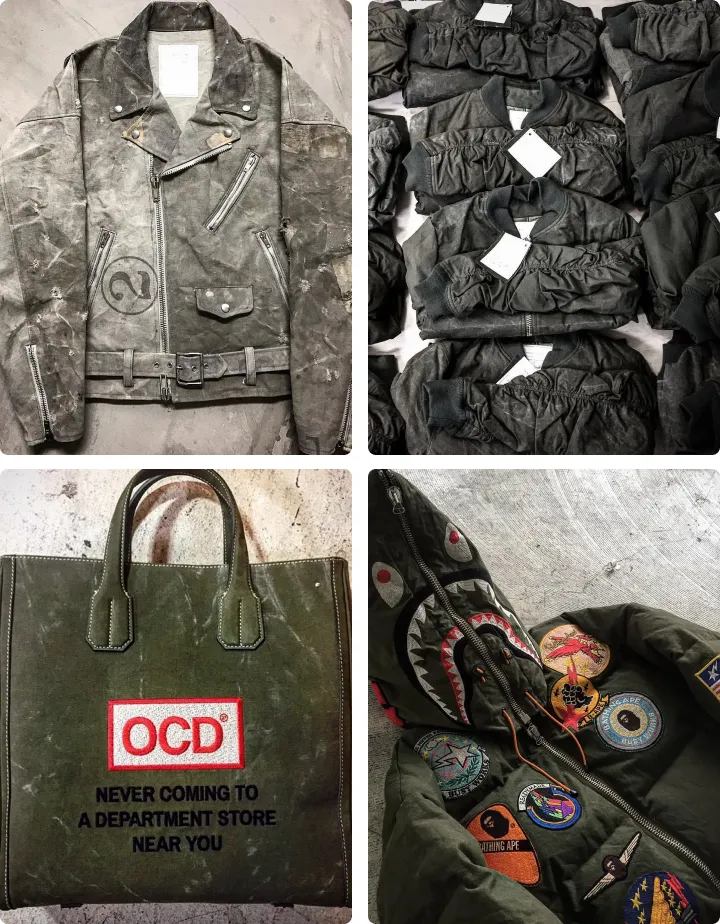
READYMADE is renowned for its practice of deconstructing military tents and fabrics to create new products.
By preserving the temporal traces and material properties of the source fabric while transforming it into a different form, the brand intuitively demonstrates how upcycling can culminate in a finished product.
Upcycling, Diverse Expressions
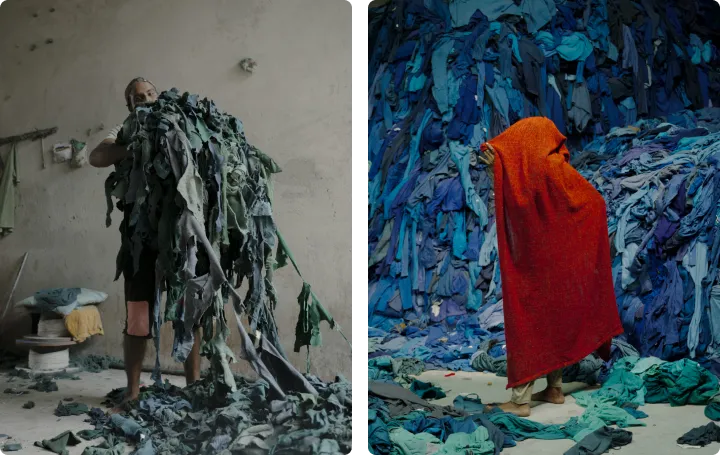
Even within the concept of upcycling, the methods of execution are already diverse.
This trend is evolving beyond emphasizing conscious consumption to showcasing each brand's unique sensibility and structure.
As more garments accumulate and are reinterpreted in new ways, upcycling will continue to develop in ever more varied forms.
The anticipation for how future brands will approach and structure this evolution is precisely why this movement is so compelling.
Image sources: CRASH, WECASA, STELLA McCARTNEY Official Website, STATELESS, HYPEBEAST, PAIRS PROJECT, READYMADE (@readymade_official) Official Instagram, Atmos